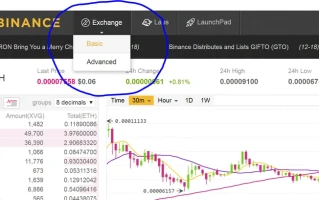
So, let me get this straight. Binance, the world’s biggest crypto casino, gets caught operating illegally in India, pays a laughable $2.25 million slap-on-the-wrist fine, and is welcomed back with open arms. And the first thing that happens? The Indian tax authorities get a list of over 400 high-rollers and immediately launch a tax evasion probe.
Anyone surprised? Anyone at all? If you are, I’ve got a bridge in Brooklyn and a portfolio of "guaranteed-to-moon" dog-themed tokens to sell you.
This isn’t a story about tax evasion. It’s a story about a trap, sprung with perfect, cynical precision. And hundreds of traders just walked right into it, wallets wide open.
The Welcome Mat Was a Bear Trap
Let's be brutally honest here. When Binance agreed to register as a "reporting entity" with India's Financial Intelligence Unit (FIU), what did people think was going to happen? Did they think Binance was doing it out of the goodness of its corporate heart? That this was about "user protection" or some other PR garbage they spin?
Give me a break.
Registering with the FIU is like a fox getting the keys to the henhouse, only to immediately hand a copy over to the farmer. The fox gets to stay near the chickens, the farmer gets a full list of who's inside, and the chickens... well, the chickens get plucked. The moment Binance paid that fine and signed on the dotted line, the data spigot was turned on. Every trade, every transfer, every P2P transaction settled with a local bank account became a line item on a spreadsheet, just waiting for some tax official in a stuffy Delhi office to hit "sort by value."
The report says the registration "paved the way" for this probe. "Paved the way" is such a polite, sterile term. No, it didn't pave the way; it built a six-lane superhighway straight to these traders' front doors, complete with flashing neon signs that said "AUDIT ME." And Binance was the one cutting the ribbon.
This is the fundamental misunderstanding of "decentralized finance" when it intersects with the real world. You can talk about blockchain and anonymity all day long, but the second your operation needs access to a country's banking system and a billion-plus potential customers, you play by the house rules. And the house always—always—gets its cut. Did these traders, moving massive sums, really believe their data was sacrosanct? That a multi-billion dollar corporation wouldn't sell them out to regain market access?

It's naive. No, 'naive' isn't strong enough—it's a willful, almost delusional level of ignorance.
A System Designed to Be Cheated
Now, before we paint these 400 traders as pure villains, let's look at the system they were operating in. India's crypto tax regime is, to put it mildly, absolutely bonkers. A 30% flat tax on profits, plus a surcharge, plus a 4% "cess" (which is just a tax with a fancier name), bringing the effective rate to nearly 43% for top earners. And just to pour salt in the wound, a 1% tax withheld at the source on every single transfer.
You can't even offset your losses against your gains. You win, the government takes almost half. You lose, that's your problem. Who in their right mind designed this? It ain't a tax policy; it's a punishment. It's a system that practically begs people to find a way around it. It’s like putting a plate of cookies in front of a toddler, telling them not to touch it, and then leaving the room for an hour. What do you expect to happen?
This is what happens when bureaucrats who still think Bitcoin is magic internet money used only by criminals are put in charge of regulating it. They don't understand the technology, the culture, or the incentives. So they just throw a punitive, impossibly high number at it and act shocked when people try to avoid it. The Indian goverment created the very problem it’s now scrambling to solve.
And the P2P stuff? The report mentions authorities are looking into payments settled with Google Pay or even cash. Offcourse they are. When the official channels are designed to be a financial meat grinder, people will inevitably create unofficial ones. It's human nature. It reminds me of those ridiculous "luxury taxes" they try to put on yachts or private jets that just end up pushing all the business to a different country. You can't legislate against basic economic incentives.
The whole thing feels less like a genuine effort to collect revenue and more like a morality play. The government gets to look tough on crypto, the "evil" speculators get their comeuppance, and the state reinforces its control. The fact that the policy is completely counterproductive to fostering any kind of innovation is just... collateral damage, I guess.
The House Always Wins
So where does this leave us? Binance is back in business in one of the world's biggest markets. The Indian government gets a fresh list of high-net-worth targets to squeeze for revenue and penalties. And 400+ traders are about to learn a very expensive lesson about the difference between "your keys, your crypto" and "your name, your bank account."
There's no hero in this story. Not the offshore exchange that folded at the first sign of trouble, not the government with its predatory tax scheme, and certainly not the traders who thought they could have it both ways. It's just another Tuesday in the world of crypto, where the promise of decentralization smacks head-first into the unyielding wall of state power. And as always, the little guy is the one left cleaning up the mess.
Tags: crypto exchange binance