

So, Toronto is having a moment. I guess.
The Blue Jays are one game away from a World Series title, and people are apparently willing to sell a kidney for a ticket to see it happen. Meanwhile, some genius on Facebook cooked up an AI video of the CN Tower on fire that fooled millions. And in the middle of all this, a new skyscraper is clawing its way into the sky, with its developers whispering sweet nothings about how it's the CN Tower’s new "partner."
It feels like the entire city is caught in a fever dream, desperately trying to decide what’s real, what’s fake, and what’s worth a hundred grand for a plastic seat.
The Tower Is Burning (But Not Really)
Let's start with the fire that wasn't. A 24-second clip of the CN Tower in Toronto engulfed in flames goes viral. People are panicking. Horns are honking in the video. You can almost smell the smoke through your phone screen. Except, offcourse, none of it is real. It’s a deepfake, cooked up by some guy who calls himself a "creator of viral moments" and claims it’s "artistic and experimental."
Give me a break.
The creator called it "artistic and experimental." That's a load of crap. No, crap is too generous—it’s a calculated play for clicks, plain and simple. He says he doesn't want to "deliberately spread misinformation," but what else do you call a photorealistic video of a national landmark burning down? This isn't art; it’s social arson. The fact that Toronto police aren't even investigating is just the cherry on top of this dystopian sundae. They said "There is no protocol. It's an artificial video." Well, isn't that just fantastic? So we’re just supposed to live in a world where anyone can create a digital catastrophe for clout and the authorities just shrug?
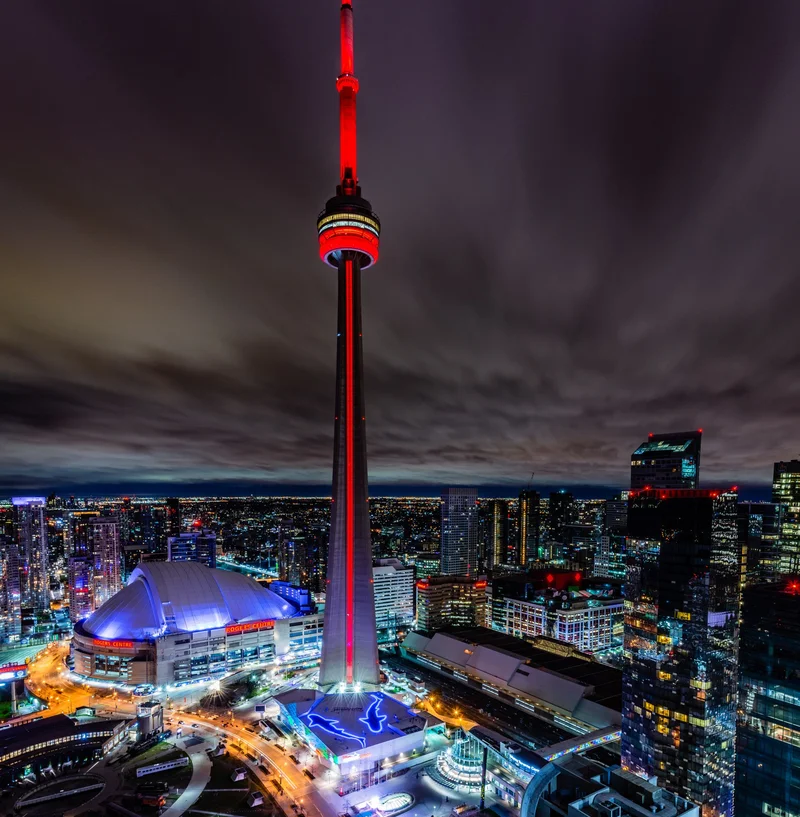
The scariest part isn’t the video itself. It's how many people bought it, which is why some argue the Facebook video of CN Tower on fire should have AI-generated content label, experts say. It shows that the CN Tower isn't just a concrete needle with a pricey restaurant. It’s a symbol, and symbols are vulnerable. People have an emotional connection to it, which is the exact string these digital puppeteers are pulling. They aren't just faking a fire; they're hijacking a city's identity for engagement. And for what? A few million views and a "viral moment"?
Building a Taller Shadow
While one tower burns in the digital ether, another one is rising in the physical world to challenge it. The Pinnacle SkyTower at One Yonge is set to be Toronto’s tallest building, nudging just past the CN Tower’s main observation deck in height. The developers, Pinnacle International, are framing this thing as a "work of public art" that will "partner up with the CN Tower," a narrative where Pinnacle’s SkyTower highlighted as skyline link to CN Tower.
Let's translate that from corporate PR-speak into English. "Partner up" means "build something so tall right next to it that you can't ignore it." It’s like a new tech bro moving in next door to a beloved local institution and calling himself a "community collaborator." The SkyTower isn't a partner to the CN Tower; it's a monument to the relentless, ego-driven machine of urban development that sees a skyline not as a piece of shared culture, but as a chart of assets to be maximized.
The architect, David Pontarini, says the juxtaposition of the two towers symbolizes the city's transformation into a "24/7 fully activated mixed-use" metropolis. That sounds nice, I guess. But what does it actually mean for the people on the ground? It means 800 new residential units in one tower, with another 2,400 proposed next door. It’s a vertical suburb for the wealthy, masquerading as a cultural statement. The developer's CEO, Michael De Cotiis, apparently kept pushing designers to go higher and higher, from 95 stories to 106, even while it was under construction. Why? Was it for the good of the city? For the art? Or because a penthouse on the 106th floor sells for more than one on the 95th?
This whole project feels like an analogy for the AI fire. Both are manufactured realities designed to grab your attention. One is a digital fake, the other is a concrete behemoth built on a narrative of partnership and progress. But are either of them real in the way a city is supposed to be? Or are they just expensive, empty symbols we’re told to care about? Maybe I'm just getting old and yelling at clouds. Maybe a city is just a collection of buildings and we're the ones who project all this meaning onto them. Then again, maybe that’s the whole point.
So We're Just Making It All Up Now?
Honestly, the whole thing is exhausting. We’ve got a city losing its mind over a baseball game that hasn't been won yet, staring at a fake fire on a real tower, and being told to applaud a new condo that calls itself art. It feels like we're all living in the comments section of reality, where the loudest, most dramatic story wins, regardless of whether it’s true. The SkyTower isn't a partner, it's a competitor. The AI fire ain't art, it's a hoax. And a World Series ticket for $100,000 isn't about love of the game, it's just a status symbol. Maybe the realest thing in Toronto right now is the burning desire to believe in something, anything, even if it's just a flickering image on a screen.
Tags: cn tower