

YouTube TV's ESPN Blackout: A Blessing in Disguise for Cord-Cutters?
Okay, folks, let's be real. When I heard about the YouTube TV and Disney spat, my first thought wasn't exactly optimistic. No ESPN? During football season? It felt like a digital dark age descending upon us. But, as I dug deeper, I started seeing something else entirely: an opportunity. A chance for cord-cutters to finally break free from the tyranny of bundled channels and overpriced subscriptions. Is this blackout a blessing in disguise? I think it just might be.
The Great Unbundling: A New Era of Choice
For years, we've been stuck with these massive cable packages, paying for hundreds of channels we never watch just to get the few we actually want. Streaming was supposed to fix that, right? Give us à la carte freedom. But even streaming started to feel like a slightly smaller, slightly cheaper version of the same old game. Then BAM! The ESPN blackout hits. Suddenly, you're forced to explore alternatives. And what do you find? A whole ecosystem of options tailored to exactly what you want.
Think of it like the early days of the internet. Remember when AOL was the only game in town? Then, suddenly, the web exploded with independent websites, blogs, and communities. This feels like that moment for streaming. We're on the cusp of a great unbundling, where you can cherry-pick the services and channels you love without being held hostage by bloated packages.
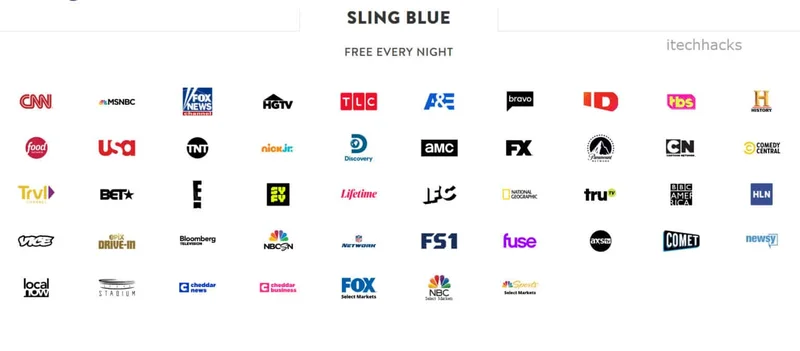
The data from Apptopia is fascinating. We're seeing YouTube TV subscribers flocking to Sling TV, Fubo, and DirecTV. These aren't just random jumps; these are people actively seeking out services that offer the specific content they crave. These charts show who's benefiting from the ESPN blackout on YouTube TV Sling TV's day passes, for instance, are genius. For $4.99, you can catch a crucial game without committing to a whole month of service. It's like renting a movie instead of buying the whole DVD – a concept that seems obvious now, but took time to arrive.
And let's not forget the good old antenna! It might seem like a relic of the past, but for local channels like ABC, it's still a fantastic option. You get crystal-clear reception, and it's completely free after the initial investment. I remember the first time I hooked up an antenna after years of cable – the sheer simplicity of it was revolutionary.
But here's the real kicker: this isn't just about saving money. It's about control. It's about curating your own viewing experience. Imagine a world where you only pay for the sports you watch, the movies you love, and the news you need. No more endless scrolling through channels you'll never watch. No more feeling like you're throwing money away on content you don't care about. That's the promise of this unbundling, and the YouTube TV blackout might just be the catalyst that makes it happen.
Now, before we get too carried away, let's acknowledge the elephant in the room: this transition isn't going to be seamless. There will be hiccups, frustrations, and moments where you miss the convenience of having everything in one place. But the long-term benefits of a more flexible, affordable, and personalized streaming experience are too significant to ignore.
And, of course, there's the ethical dimension. As we gain more control over our content consumption, we also have a responsibility to support the creators and companies that provide it. Piracy is never the answer. We need to find sustainable ways to pay for the content we love, whether it's through subscriptions, micro-transactions, or other innovative models.
The BYU-Texas Tech game is a perfect example of this new reality. Fans are scrambling to find alternative ways to watch, exploring options like Sling TV, Hulu + Live TV, and even ESPN Unlimited. It's a bit chaotic, sure, but it's also empowering. You're not just passively accepting what's offered; you're actively seeking out solutions that fit your needs.
A Future of Personalized Entertainment
So, where does this all lead? I see a future where streaming services are more modular, more customizable, and more responsive to individual needs. Imagine being able to build your own personalized channel lineup, mixing and matching content from different providers. Think of it like building your own custom playlist on Spotify, but for live TV.
This isn't just a pipe dream. The technology is already here. What's missing is the willingness of the big media companies to embrace this new paradigm. But the YouTube TV blackout might just be the wake-up call they need. They're seeing firsthand that consumers are willing to vote with their wallets and seek out alternatives when they're not getting what they want.
When I first heard about the "Sling Day Pass" for College Football, I honestly just sat back in my chair, speechless. I asked myself, is this the death of the traditional cable bundle? CFB Saturday has arrived! How to watch NCAA football today with a Sling Day Pass
This Is Just the Beginning
The streaming wars are far from over, but one thing is clear: the power is shifting from the providers to the consumers. We're no longer passive viewers; we're active participants in shaping the future of entertainment. The YouTube TV blackout may be a temporary inconvenience, but it's also a glimpse of a brighter, more personalized, and more affordable future for cord-cutters everywhere.
The Revolution Will Be Streamed!
Tags: sling tv