

A $1 billion Series C for a two-year-old startup is the kind of headline that generates more heat than light. When the company in question is Base Power, an Austin-based firm promising to "reinvent our power system," the hype machine goes into overdrive. The announcement, led by Addition and a roster of Tier 1 VCs, values the company at a reported $3 billion pre-money. The narrative is compelling: deploy a network of residential batteries, stabilize America’s crumbling grid, and usher in an era of energy abundance.
It’s a fantastic story. But my job isn't to repeat the story; it's to read the footnotes. And the numbers here tell a different, far more interesting tale. Base Power isn't just building a distributed energy platform. It's executing one of the most audacious arbitrage plays I've seen in years, using consumer homes as its primary asset class. This isn't just about keeping the lights on during a blackout. It’s a high-stakes bet on market volatility, wrapped in the friendly guise of a next-generation utility.
Deconstructing the Value Proposition
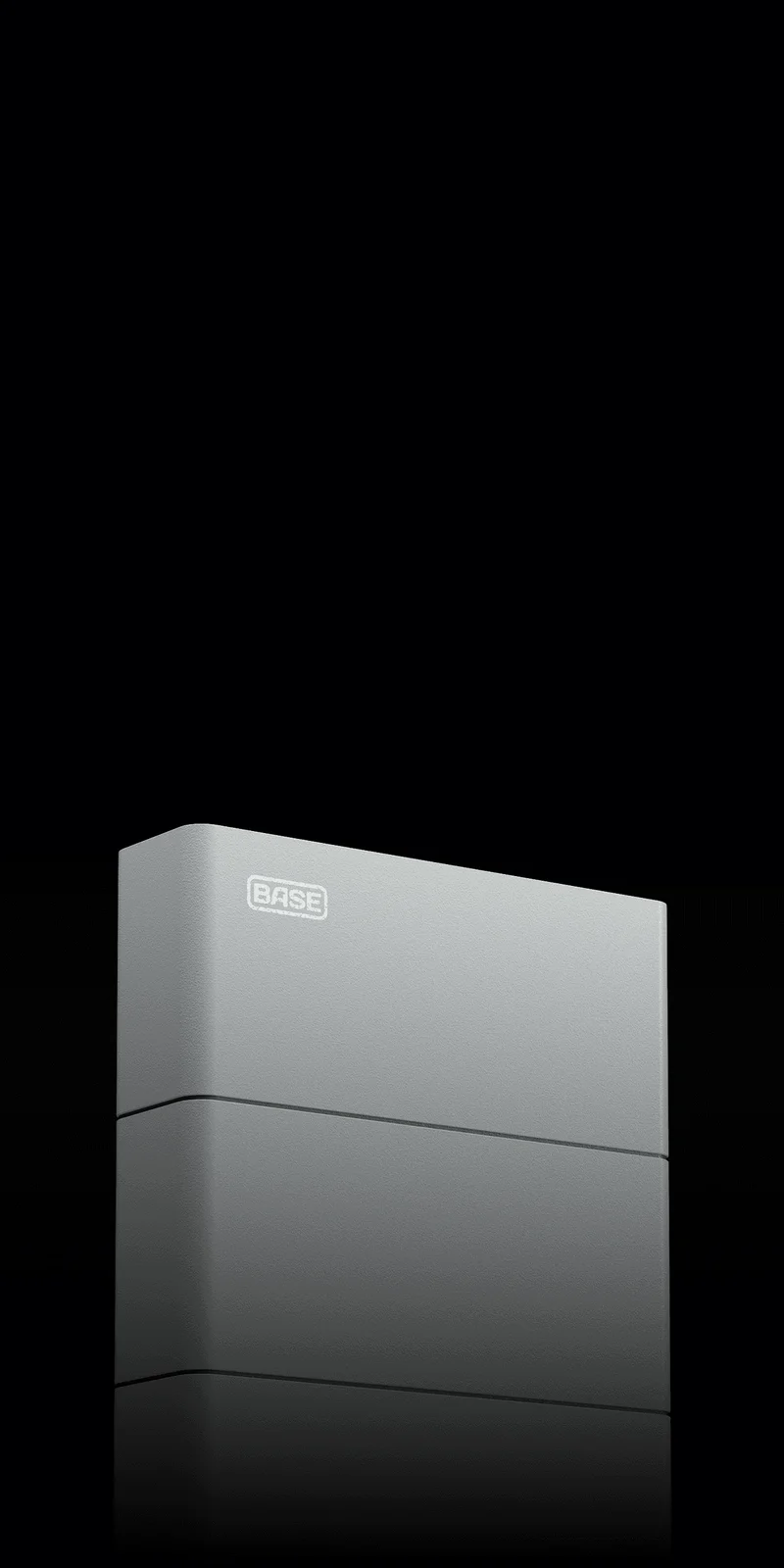
At first glance, Base Power’s consumer offer looks almost too good to be true. For a relatively low upfront installation fee—between $695 and $995—homeowners get a 25 kWh or 50 kWh battery. For context, that smaller unit has double the capacity of a standard Tesla Powerwall. In return, the customer pays a small monthly fee ($19 or $29) and commits to a three-year electricity plan from Base at a rate of 8.5 cents per kilowatt-hour, plus delivery.
That electricity rate is the hook. The average retail price for electricity in Texas hovers around 14 cents per kWh. Base is offering a discount of roughly 40%. How is that sustainable? The answer lies not in technological magic, but in a shrewd exploitation of market structure. Texas’s deregulated energy market is a chaotic, volatile system where wholesale electricity prices can swing wildly, especially during periods of extreme demand. This is where Base makes its money.
The company has qualified for Texas's Aggregated Distributed Energy Resource (ADER) program, which allows it to bundle the thousands of home batteries it controls into a single, virtual power plant. When the grid is strained and wholesale prices skyrocket, Base can discharge its network of batteries, selling that stored energy back to the grid at a massive premium. The entire business model is an elegant arbitrage: buy low (by generating or storing power when it's cheap) and sell high (during peak demand). The consumer’s 40% discount isn't a gift; it's their payment for leasing Base a critical piece of grid infrastructure—their battery.
This is less like a traditional utility and more like an airline that leases thousands of small, private jets from individuals. In exchange for the lease, the jet owner gets deeply discounted flights for personal use. But the airline’s real business is chartering out that aggregated fleet at exorbitant rates to corporations and high-net-worth clients during peak events like the Super Bowl or Davos. The homeowners are the jet owners; the Texas grid is the corporate client willing to pay anything to avoid a failure. The question, then, is how big can that charter business get?
A Billion-Dollar Bet on Chaos
The $3 billion valuation is where the analysis gets truly interesting. Base reports it has deployed over 100 MWh of residential battery capacity in less than two years (a notable figure for a company founded in 2023). Let's translate that into households. Assuming an even split of their 25 kWh and 50 kWh units, 100 MWh equates to roughly 2,600 homes. The company has captured a few thousand households—to be more exact, somewhere between 2,000 and 4,000 depending on the battery mix. A valuation in the billions for a customer base of that size is, to put it mildly, forward-looking.
I've looked at hundreds of these funding announcements, and the capital-to-customer ratio here is a genuine outlier. It signals that investors aren't buying a recurring revenue stream from a few thousand electricity plans. They are funding a land grab. The $1 billion isn't just for R&D or a new factory in downtown Austin; it's a war chest to subsidize this aggressive customer acquisition model. The goal is to install as many batteries as physically possible, as quickly as possible, to build a virtual power plant so large that it becomes an indispensable player in the Texas energy market.
This is a bet placed squarely on the continued dysfunction of the Texas grid. The model’s profitability is directly correlated with price volatility. If the grid stabilizes—through the build-out of more traditional power plants or large-scale grid storage—the opportunities for arbitrage will shrink, and Base's primary revenue engine will sputter. What happens if regulators decide to cap wholesale prices or change the rules for ADER participants?
Furthermore, the model is uniquely suited to Texas’s deregulated environment, where customers can switch providers with relative ease. Expanding nationally, as the company plans, presents a monumental challenge. They will have to navigate a labyrinth of state-level regulations, incumbent utility monopolies, and vastly different market structures. A strategy that works in Houston may be dead on arrival in California or New York. The plan to build a second factory before the first is even fully operational speaks to the urgency of their mission: achieve critical mass before the market dynamics change.
The founders' language is telling. CEO Zach Dell talks about a "once in a generation" chance to reinvent the power system. COO Justin Lopas speaks of "reindustrializing America." The vision is grand, but the mechanics are those of a trader. They've identified a market inefficiency and are deploying massive amounts of capital to exploit it at scale. But what happens when the market becomes efficient?
This Isn't an Energy Company; It's a Hedge Fund with Hardware
Let's be clear: there's nothing inherently wrong with Base Power's model. It's a clever, even brilliant, piece of financial and logistical engineering. But we should call it what it is. This is not primarily a consumer energy company. It is a distributed commodity trading firm whose principal assets are located on the walls of their customers' garages. The $1 billion investment isn't just a bet on batteries; it's a bet that Base can manage regulatory risk, scale its complex operations, and continue to profit from grid instability faster than its competitors or the government can catch up. The real product isn't reliable power for homeowners—that's just the cost of acquiring the assets. The real product is a large, speculative position on the future of energy prices.
Tags: base power