

So, Brookfield is in on a $5 billion deal related to Bloom Energy, and suddenly everyone on Wall Street is treating this company like the second coming of Nikola Tesla. The bloom energy stock price jumped, and you can almost hear the champagne corks popping in Silicon Valley. Give me a break.
Every time a legacy industry gets a fresh coat of tech-bro paint and a new marketing deck, we're all supposed to lose our minds. And right now, the shiniest, most expensive can of paint is labeled "Artificial Intelligence."
Bloom’s whole pitch is that they are the silver bullet for AI's insatiable hunger for electricity. They even published a report with the laughably self-important title, 2025 Fuel Cell Guide: Winning the AI Race for Power - Bloom Energy. Winning the AI race? It sounds less like an engineering guide and more like a script for a bad Michael Bay movie. The premise is simple: the creaky, old-fashioned power grid can't handle the load from all these new data centers, so Bloom will sell you a magic box that generates power right on-site.
This isn't a new idea. But the claims they’re making now are something else. They're promising deployment in 90 days, bypassing years of grid connection hell. They're promising 99.999% uptime—the mythical "five nines" that IT departments dream about. They're promising scalability from a dinky pilot project to hundreds of megawatts. It all sounds incredible. A little too incredible, if you ask me.
The Energy Shell Game
Let’s get one thing straight. The problem Bloom claims to solve is very, very real. AI models, especially the massive ones that power things like ChatGPT, are energy black holes. They consume electricity on a scale that makes old-school data centers look like a quaint hobby. Building a new AI cluster is like deciding to plug a small city into an outlet that was designed for a toaster. The grid, as it stands, simply can't keep up.
So, along comes Bloom with its shiny fuel cell boxes. Imagine a massive, humming server rack, the air thick with the clean, sterile smell of ozone and recycled air. Now picture a windowless concrete wall, and on the other side, a row of sleek, white containers. These are Bloom's Energy Servers, and they are the heart of the operation. The company's marketing would have you believe these boxes are spinning clean energy out of thin air.
But what are they actually running on? For the most part, natural gas.
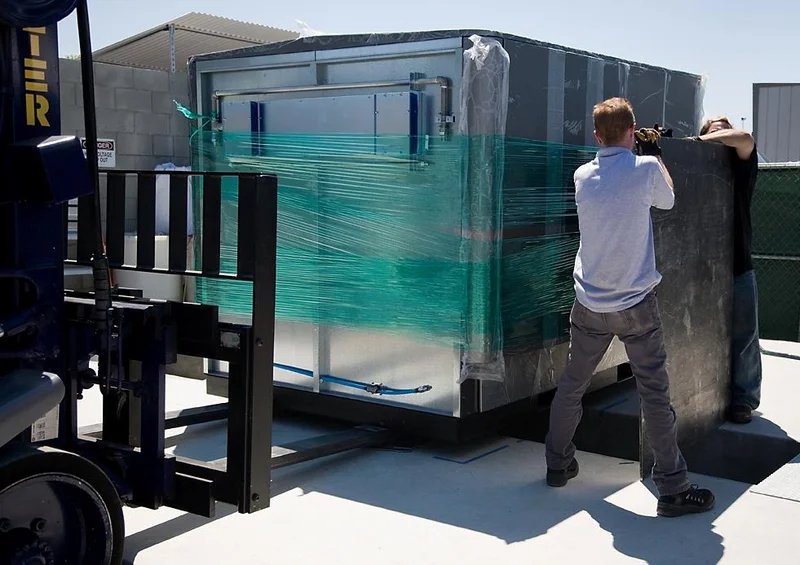
This is the part of the story that gets buried under buzzwords like "ESG goals" and "reduced emissions." Bloom's technology is a fuel cell, which is more efficient than a traditional combustion generator, but it's still burning a fossil fuel. Calling this "green" energy is like calling a vape pen "clean living." Sure, it's less overtly disgusting than a two-pack-a-day cigarette habit, but let's not pretend you're inhaling mountain air. It’s a clever bit of marketing alchemy, turning a fossil fuel solution into a green-washed accessory for the socially conscious corporation.
And this is where my skepticism really kicks in. Are we solving the energy crisis, or are we just creating a distributed network of miniature, privately-owned power plants running on fracked gas? What happens to the emissions? They're lower, sure, but they ain't zero. Is this just a multi-billion-dollar band-aid that allows Big Tech to continue its relentless expansion without having to deal with the messy, politically inconvenient work of actually upgrading our national infrastructure for a renewable future?
A Pragmatic Bet on a Broken System
I’ll admit, for a second, I get it. I really do. My own power flickered twice last week during a storm, and I live in a major metro area. The idea of being completely independent from a grid that feels like it’s held together with duct tape and wishful thinking is seductive. So offcourse a company with a billion-dollar data center would pay a premium to cut the cord.
The Brookfield deal isn't about a green revolution. This is a cold, hard financial calculation. It’s a bet. A bet that the AI boom will be so massive, and our public infrastructure will remain so pathetic, that there will be an enormous market for a high-priced, private power solution. It's a bet on systemic failure.
This is a bad idea. No, 'bad' doesn't cover it—this is a profoundly cynical vision of the future. Instead of investing those billions into grid-scale storage, modern transmission lines, and a truly renewable backbone, the money flows into a workaround. It’s the ultimate rich-guy solution: don't fix the public roads, just buy a helicopter. And now, don't fix the public grid, just buy your own private power station.
The stock rally shows that plenty of people are happy to take that bet. They see the numbers, they see the demand curve for AI going vertical, and they see a company with a ready-made—if imperfect—solution. The bloom energy news is all positive, the analysts are giddy, and the money is pouring in. And maybe I'm the crazy one. Maybe this is just how progress works now, in fits and starts, with ugly, compromised solutions paving the way for something better down the line. But it feels… hollow. It feels like we're so desperate for a win in the "AI Race" that we're willing to sacrifice the finish line just to get a head start.
What happens in ten years when we have thousands of these fuel cell installations peppered across the country, all tethered to the natural gas pipeline? Have we really built the foundation for a sustainable future, or just a more efficient, more expensive, and more deeply entrenched version of the past?
Yeah, But It'll Probably Work
At the end of the day, my outrage doesn't matter. The cynicism doesn't matter. The only thing that matters is whether this makes money. And it probably will. This isn't a story about saving the planet. It's a story about arbitraging a broken system. Bloom Energy and its investors are betting that the gap between what AI needs and what the grid can provide is a gold mine. And you know what? They're probably right. It's a smart bet on a dumb future, and that, my friends, is the most reliable investment strategy there is.
Tags: bloom energy