

Let’s just get this out of the way: If you see another TikTok or Facebook post promising a $2,000 IRS stimulus check is hitting your bank account this month, do me a favor. Block the user. Report the post. Then go outside and touch some grass.
It’s not real. It was never real. It’s a digital ghost story told around the smoldering campfire of the American economy, and we’re all just sitting here, desperate and wide-eyed, hoping it’s true.
This whole thing is a masterclass in how the internet preys on desperation. The rumors are so specific, aren't they? Some say it’s $2,000. Others whisper about $1,702 or $1,390. That specificity is a scam artist’s oldest trick—it makes the lie feel researched. It feels plausible. The $1,702 number, for instance, seems to have been ripped from Alaska's Permanent Fund Dividend, a totally unrelated state payment funded by oil money. But who has time for details when the rent is due?
The IRS, in its infinite, bureaucratic wisdom, puts out dry press releases warning about phishing scams. They tell you to use the "Where's My Refund" tool. Gee, thanks for the tip. That's like telling someone whose house is on fire to remember to check their smoke alarm batteries. It’s technically correct advice that completely misses the point. The problem isn’t that people don’t know how to track a refund. The problem is they’re so financially underwater they’ll click on any link that looks like a life raft. This isn't just misinformation. No, that's too clean a word—it's predatory hope-peddling, and it works because the economic reality for millions is just that grim.
Politicians and Their Fantasy Football Economics
You can’t even put all the blame on random social media grifters. Our own leaders are the ones who keep the embers of this fantasy glowing. Donald Trump has been floating ideas about using tariff revenue for "rebate checks." He even mentioned a potential $5,000 "DOGE dividend," a term so absurd it sounds like it was cooked up by a focus group of crypto bros and political consultants. What does that even mean? Are we supposed to believe that national economic policy is now being brainstormed during a late-night scroll through Elon Musk's feed?
Then you have politicians like Senator Josh Hawley pushing the "American Worker Rebate Act." It sounds great, doesn't it? It has "American" and "Worker" right there in the title. It promises checks. But like so many of these bills, it hasn't passed. It's not law. It’s just a headline. It’s the same old song and dance a new bill gets a flashy name, gets some press, and then… nothing. It vanishes into the legislative ether, leaving behind only a faint vapor of hope for people to cling to.
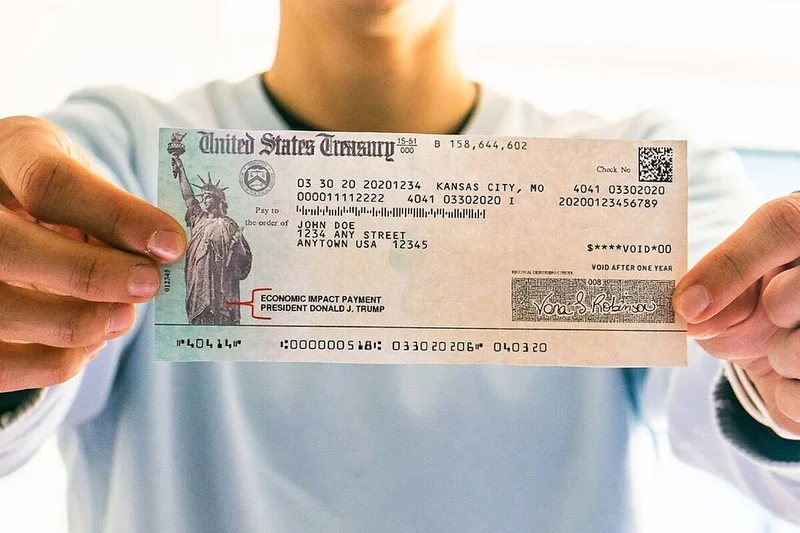
It’s exhausting. The constant cycle of rumor and retraction, of political promises and procedural death. It feels like the entire system is designed to keep us perpetually off-balance. Speaking of off-balance, my internet bill just went up again for no reason. I swear, these companies operate on a completely different plane of reality where they can just decide your service is worth more today than it was yesterday, and you just have to take it. It’s that same feeling of powerlessness, just on a smaller scale. You know you’re getting screwed but what are you gonna do, cancel the internet? Offcourse not.
The Real Money (And Why It's Not a Gift)
Here’s the cruelest joke of all. There is a wave of money coming, but it ain’t a gift from Uncle Sam. David Kelly, a top strategist at JPMorgan, has been pointing this out. (A tax-refund surge is coming, JPMorgan strategist says — and it’ll shift US economy like a new round of stimulus checks) Thanks to the ridiculously named "One Big Beautiful Bill Act" (OBBBA), a bunch of tax cuts went into effect retroactively. But the IRS didn't adjust tax withholding rates for 2025.
Let me translate that from financial jargon into English. The government has been taking too much money out of people's paychecks all year. So in 2026, the average tax refund is projected to be way bigger—something like $3,743, up from about $3,186.
Politicians will inevitably brag about these "massive refunds." But this isn't a stimulus. This isn't a bonus. This is the government giving you back your own money that it held, interest-free, for up to a year. It's like a terrible roommate who "borrows" $50 from your wallet in January, then triumphantly hands it back to you the next December and expects you to be grateful. You're not richer. You just got your own damn money back, late.
And here’s the kicker Kelly warns about: when all that cash hits people’s bank accounts at once, they’re going to spend it. Because of course they will. That could easily trigger another round of inflation. The very "refund" that’s supposed to provide relief could end up making gas, groceries, and rent even more expensive. It’s a perfect, self-defeating loop of economic insanity.
So We're Just Supposed to Be Grateful?
At the end of the day, the viral rumor of a $2,000 check isn't the real story. The real story is that our financial system has become so convoluted and precarious that we can't tell the difference between a government program, a political fantasy, and an outright scam. We're being handed back our own money and told it’s a windfall, while the architects of the whole mess are probably patting themselves on the back. It's not a stimulus. It's an insult.
Tags: irs stimulus checks 2025