

Generated Title: Elon's "Poverty Elimination" Plan: A Trillion-Dollar Robot Utopia or Just Another Musk Promise?
Alright, let's talk about Elon Musk's latest pronouncement: Optimus, the Tesla robot, will "eliminate poverty." Bold claim, even for him. We've seen the videos of Optimus dancing and doing Kung Fu, but can a robot really rewrite the global economy? Or is this just another example of Musk's "pathological optimism," as he himself admits?
The Trillion-Dollar Gamble
The backdrop to this is Musk's recently approved $1 trillion pay package. The catch? He needs to hit some seriously ambitious targets, including shipping a million Optimus robots within the next decade. Morgan Stanley estimates that Apple, if they enter the humanoid robot market, could potentially earn $133 billion a year from them by 2040. Musk, however, believes Optimus could be bigger than cell phones, bigger than anything. That’s a lot of pressure on a robot that’s still in the design stage, especially regarding its hands, which Musk admits are proving particularly challenging.
Musk envisions Optimus not just as a factory worker or a home assistant (emptying the dishwasher, as the 1X Neo robot aims to do), but as a fundamental driver of economic change. He's talking about a future where robots increase the global economy by a factor of 10, maybe even 100. He sees Optimus operating 24/7, achieving five times the productivity of a human worker per year. This, according to Musk, leads to "sustainable abundance" and a world where work becomes "optional." He even suggests Optimus could replace prisons, following criminals around to prevent them from committing further offenses.
The "Communist Utopia" Powered by Capitalism?
Here's where things get interesting. Musk argues that the capitalist implementation of AI and robotics – if it goes down the "good path" – will actually result in a communist utopia. Universal high income, access to any products or services you want... sounds good, right? But he also acknowledges that "there will be a lot of trauma and disruption along the way." What does that trauma look like, exactly?
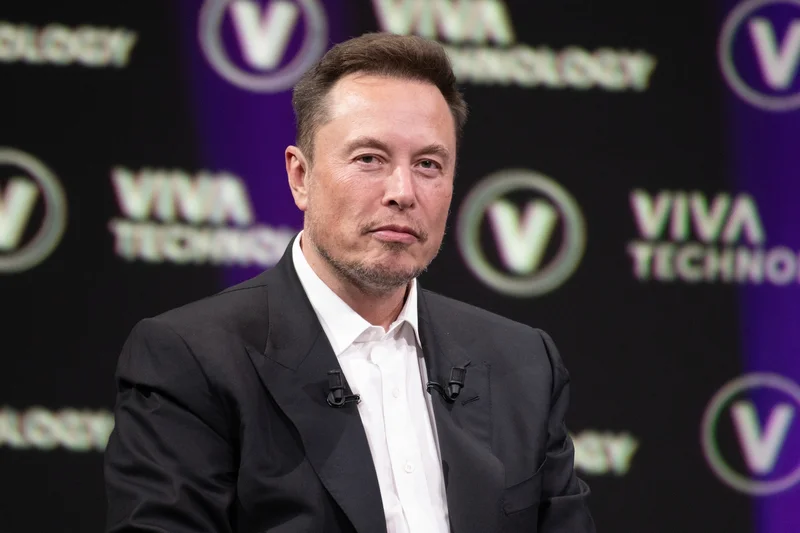
The problem isn't the technology itself (though the hand issue needs sorting). It's the distribution of the wealth generated by that technology. If Optimus truly achieves 5x human productivity, who owns that productivity? If it's concentrated in the hands of a few (Musk included, presumably), the poverty elimination promise rings hollow. We've seen this pattern before: technological advancements leading to increased wealth, but also increased inequality.
I've read countless reports on automation and its impact on the workforce, and the consistent theme is the need for retraining and adaptation. But what happens when the rate of automation outpaces the ability of the workforce to adapt? Musk's vision hinges on a massive societal shift in mindset, from a work-centric culture to one where leisure and creativity are valued above all else. Is that a realistic expectation, or wishful thinking? And this is the part of the analysis that I find genuinely puzzling - how can we guarantee the wealth created by Optimus will be distributed fairly?
From Bel-Air Mansions to a $50k Prefab
It's worth noting Musk's own relationship with wealth. He famously declared he would sell "almost all physical possessions" and "own no house." He claimed his "primary home" was a modest $50,000 prefabricated house in Texas. He even said he was "literally staying at friends' places." While his commitment to Mars and Earth is admirable, this professed frugality clashes somewhat with the image of a trillion-dollar pay package and a fleet of private jets. (He says he needs the jets to maximize his work hours.) The recent approval of Are you a robot? certainly adds fuel to this discussion.
And let's not forget the $44 billion acquisition of Twitter (now X). While Musk might see this as an investment in free speech, it's also a significant expenditure that could have been directed elsewhere – perhaps towards initiatives directly addressing poverty. The discrepancy between his stated commitment to eliminating poverty and his actual spending habits raises legitimate questions about his priorities.
The Algorithm Needs an Upgrade
Musk's vision is undeniably ambitious, bordering on utopian. Optimus could be a game-changer, but only if the economic model surrounding it is designed for equitable distribution, not just wealth accumulation. Until we see concrete plans for addressing the potential for increased inequality, this "poverty elimination" promise remains just that: a promise.
Tags: elon musk
