

The ‘Gen Z’ Myth: Why a Breakup Email and a Riot Expose a Broken Label
I saw two stories this week that were ostensibly about the same thing: “Gen Z.” And when I put them side-by-side, I honestly just sat back in my chair, speechless. It’s the kind of moment that reminds me why I got into this field in the first place—to see past the noise and find the real signal of where we’re heading.
On one hand, you have this wonderfully human story out of India. A young employee at a dating startup sends their CEO, Jasveer Singh, the most refreshingly honest leave request I’ve ever seen. No fake doctor’s note, no vague "personal reasons." Just pure, unvarnished truth: “I recently went through a breakup and haven’t been able to focus on work… I’d like to take leave… to take a short break.”
The CEO’s response? “Leave approved, instantly.” He posts it online with the caption, “Gen Z doesn't do filters,” and the internet erupts in applause. It’s a perfect little parable for the modern workplace: empathy, transparency, and a new generation prioritizing mental well-being. It’s the story we want to believe about Generation Z. It’s clean, it’s hopeful, it’s a sign of progress.
But then there’s the other story. The one that doesn't fit neatly into a viral X thread.
A Tale of Two Worlds
While we were celebrating that email, a different narrative was unfolding in Morocco. A youth-led movement, calling themselves “Gen Z 212,” organized massive anti-government demonstrations. They weren’t protesting for the right to work from home after a breakup; they were protesting a lack of basic public services, a government they see as neglectful, and a future they feel is being stolen from them.
The response wasn’t an instant approval. It was a crackdown. Morocco charges more than 2,400 people over Gen Z protests. More than 1,400 are still in custody. The charges aren’t for being "too honest"—they’re for armed rebellion and inciting felonies. Three protesters are dead. Human rights groups are sounding the alarm.
So, what is Gen Z? Is it a tech worker in Gurgaon asking for time to heal, or is it a student in Rabat facing a 15-year prison sentence for demanding a better life?
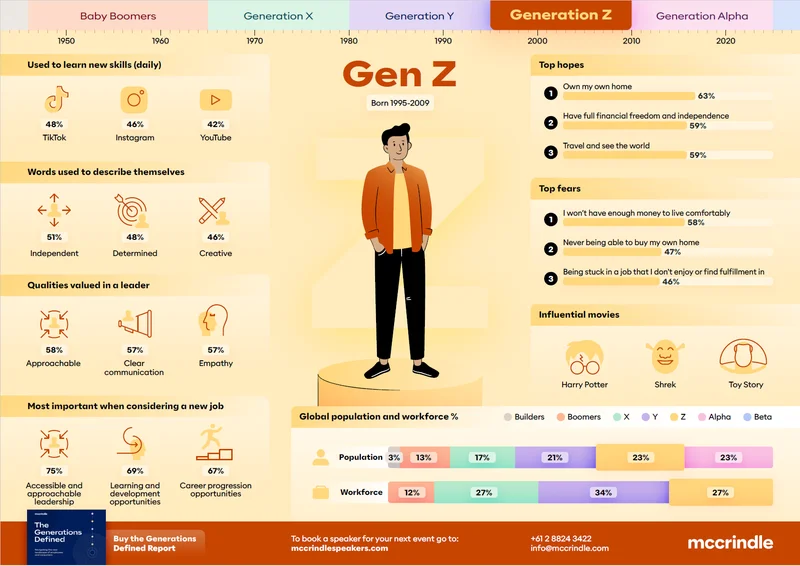
The truth is, it’s both. And neither. And that’s precisely the problem. The label itself has become a broken lens, a distorted funhouse mirror that reflects back a caricature instead of a person. We’re using a single, flimsy marketing term to describe billions of individual human beings across wildly different cultures, economies, and political realities—and the speed and scale of the resulting misunderstanding is just staggering, it means we're missing the real story entirely by focusing on a meaningless tag.
This is the cognitive dissonance I felt. How can the same label possibly contain both a quiet revolution in workplace culture and a literal, bloody revolution on the streets? What does a young person in America, defined by gen z slang and TikTok trends, have in common with a rapper like Hamza Raid, arrested for channeling the anger of Moroccan youth into his music? The answer, beyond a shared birth year, is frighteningly little.
The Danger of a Monolithic Myth
We have to stop this. The term "Gen Z" is like a heavily compressed JPEG of humanity. You can make out the general shape, but all the nuance, all the life, all the critical detail is lost to a sea of blurry pixels. It’s a useful shorthand for advertisers trying to sell us things, but it’s a dangerously inadequate tool for understanding the world.
This isn’t just an academic argument. When we flatten a generation into a monolith, we trivialize their struggles and misunderstand their ambitions. We see the viral email and think, “Ah, Gen Z is sensitive and needs a better work-life balance.” We might even see the Morocco story and think, “Oh, Gen Z is angry and rebellious.” Both are facile. Both miss the point.
The common thread isn't a shared generational "vibe." It's the universal human desire for dignity, respect, and a fair shot at a decent life. It’s about using the tools of a connected world—whether it’s a private email or a Discord server—to demand a more humane reality. The employee in India was asking for emotional dignity in the workplace. The protesters in Morocco are demanding economic and political dignity from their state. It’s the same fundamental impulse, just expressed in vastly different contexts with vastly different stakes.
So what do we do? We have to start asking better questions. Instead of asking “What is Gen Z?”, we should be asking, “What are the specific pressures, tools, and aspirations of young people in this specific community, in this specific country, right now?” How are they leveraging technology not just for entertainment, but for survival, for connection, and for power?
The Real Revolution is Hiding in Plain Sight
We’ve become so obsessed with defining this generation by its superficial traits—the gen z stare, the side parts, the slang—that we’ve completely missed the profound shift happening beneath the surface. This isn’t about a new set of cultural quirks. It’s about a global cohort of digital natives who are hardwired for transparency and allergic to institutional hypocrisy. They expect the same directness from their boss that they get from their social media feeds, and they will call out injustice with the same speed they’d use to share a meme.
The label is a distraction. The real story is about the rise of radical transparency, enabled by technology, and wielded by a generation that has no patience for the old filters. Whether it’s in an office or on the streets, the message is the same: We see the world as it is, and we’re no longer asking for permission to change it.
Tags: gen z